
●Preface
●Chapter 1 Introduction of Receptor Model
●1.1 Basic Concepts and Characteristics of Receptor Model
●1.1.1 Source known
●1.1.2 Source unknown
●1.1.3 The characteristics of receptor model
●1.2 Classification of Receptor Models
●1.3 The Development of Receptor Models
●1.3.1 Initiating stage (1960s-1970s)
●1.3.2 Developmental stage (1980s-1990s)
●1.3.3 Recent development (2000s-2010s)
●References
●Chapter 2 The CMB Receptor Mode
●2.1 The History of CMB Receptor Model
●2.2 The Principles of CMB Receptor Model
●2.2.1 The algorithms of CMB receptor model
●2.2.2 The diagnosis system for goodness of fit in the CMB model
●2.3 New Problems Faced by the CMB Model
●2.3.1 Collinearity problems
●2.3.2 Problems of quantitative estimation for secondary organic carbon......

内容简介

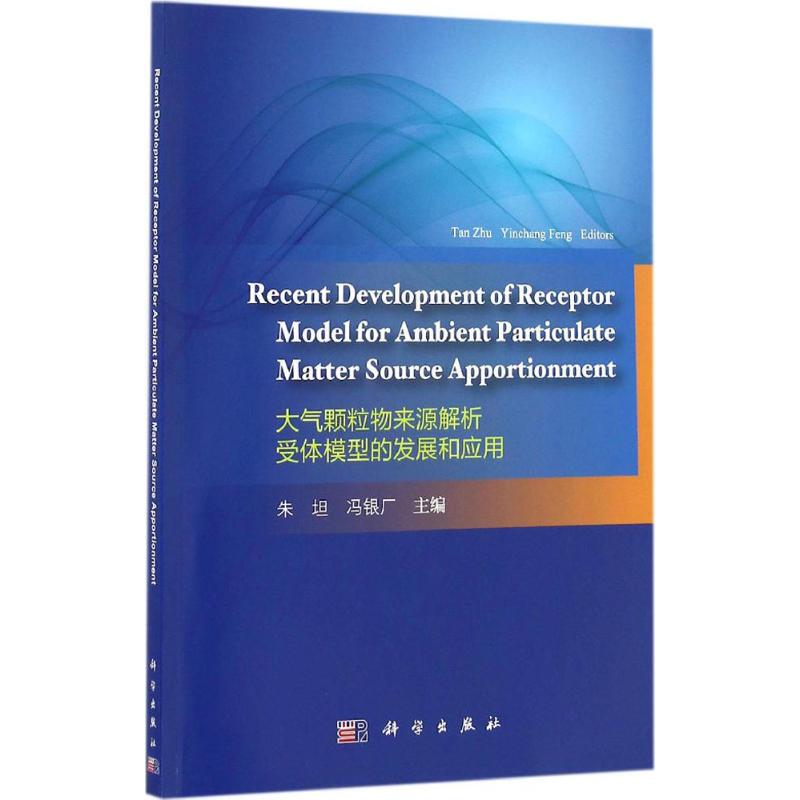
大气颗粒物是大气成分中的重要组成部分,给环境、气候和人体健康带来很大威胁。防控大气颗粒物污染,减少其对人体健康和环境的危害,一直是我国大气污染防治工作的重点和难点。特别是近年来,我国PM2.5污染问题引起靠前外广泛关注,其治理工作已成为科研热点及社会焦点问题。颗粒物排放源类的多样性和复杂性给颗粒物污染防治带来较大困难。为了能更好地采取有效措施控制颗粒物排放源类,管理者们和研究学者们迫切需要对环境颗粒物的各类来源进行识别和量化,颗粒物源解析技术应运而生,并得到越来越广泛的应用和逐步发展。受体模型法将着眼点由排放源转移到受体(受各类源影响的某一局部大气环境),根据源和受体的化学、物理等信息,利用数学方法定量地解析各源类对受体颗粒物的贡献。受体模型在靠前外的颗粒物源解析工作中得到了快速发展和广泛应用,逐步形成了以化学质量平衡(CMB)受体模型和因子分析类受体模型为主的多种方法研究体系。本书重点介......









评论晒单