Alison Thompson, a filmmaker living in New York City, wasenjoying Christmas with her boyfriend in 2004 when she saw the newsreports online: a 9.3 magnitude earthquake had struck the sea nearIndonesia, triggering a massive tsunami that hit much of southernAsia. As she watched the death toll climb, Thompson had onethought: She had to go help. A few years earlier, she had spenteight months volunteering at Ground Zero after 9/11. She’d learnedthen that when disaster strikes, it’s not just the firemen and RedCross who are needed—every single person can make adifference.
With $300 in cash, some basic medical supplies, and a vague ideathat she’d go wherever she was needed, Thompson headed to SriLanka. Along with a small team of volunteers, she settled in acoastal town that had been hit especially hard and began tending topeople’s injuries, giving out food and water, playing games withthe children, collecting dead bodies, and helping rebuild the localschool and homes that had been destroyed. Thompson had intended tostay for two weeks; she ended up staying for fourteen months. Sheand her team helped start new businesses and set up the firsttsunami early-warning center in Sri Lanka, which continues to savelives today.
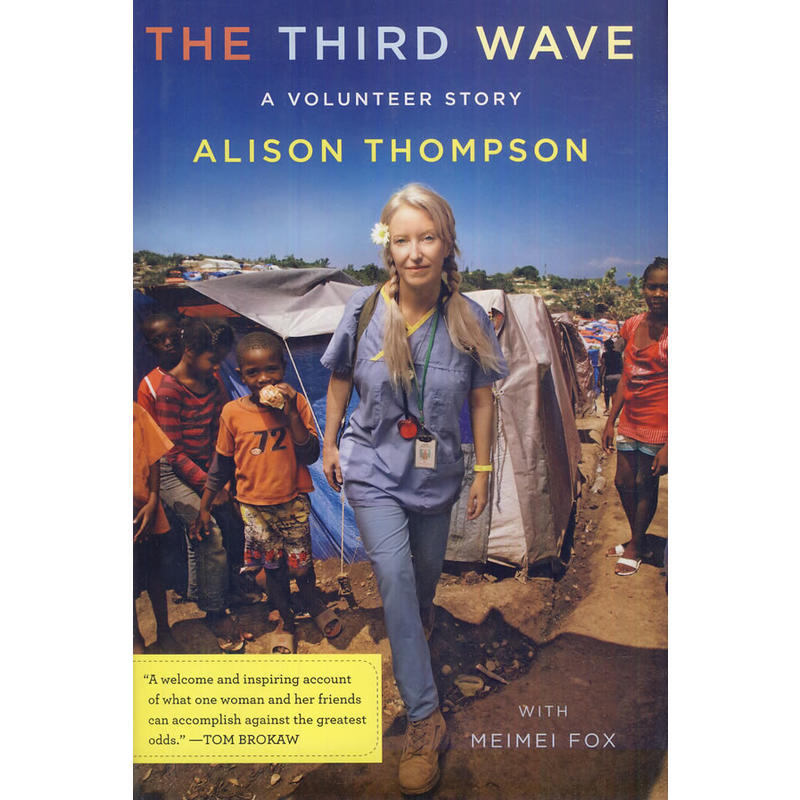
The Third Wave tells the inspiring story of how volunteeringchanged Thompson’s life. It begins with her first real introductionto disaster relief after 9/11 and ends with her more recent effortsin Haiti, where she has helped create and run, with Sean Penn, aninternally-displaced-person camp and field hospital for more than65,000 Haitians who lost their homes in the 2010 earthquake. In TheThird Wave, Thompson provides an invaluable inside glimpse intowhat really happens on the ground after a disaster—and a road mapfor what anyone can do to help. As Alison Thompson shows, with someresilience, a healthy sense of humor, and the desire to make adifference, we all have what it takes to change the world for thebetter.








评论晒单