
●Chapter 1 System Safety Engineering
● Unit One Introduction of System Safety Engineering
● Unit Two Principles of System Safety Engineering
● Unit Three System Safety Management
● Unit Four Fault Tree Analysis
● Unit Five Intelligent Transport Systems
● Practical Writing I Certificate
●Chapter 2 Ergonomics Engineering
● Unit One Introduction of Ergonomics Engineering
● Unit Two Office Ergonomics Engineering
● Unit Three Ergonomics Engineering in Mining
● Unit Four Ergonomics Engineering in Accident Investigations
● Practical Writing II Letter of Consolation
●Chapter 3 Safety Culture
● Unit One Defining Safety Culture
● Unit Two The Importance of Developing a Safety Culture
● Unit Three Characteristics of a Positive Safety Culture
● Unit Four Developing a Safety Culture in Your Enterprise
● Unit Five Behavioral Safety Management
● Practical Writing Ill Receipt......

内容简介

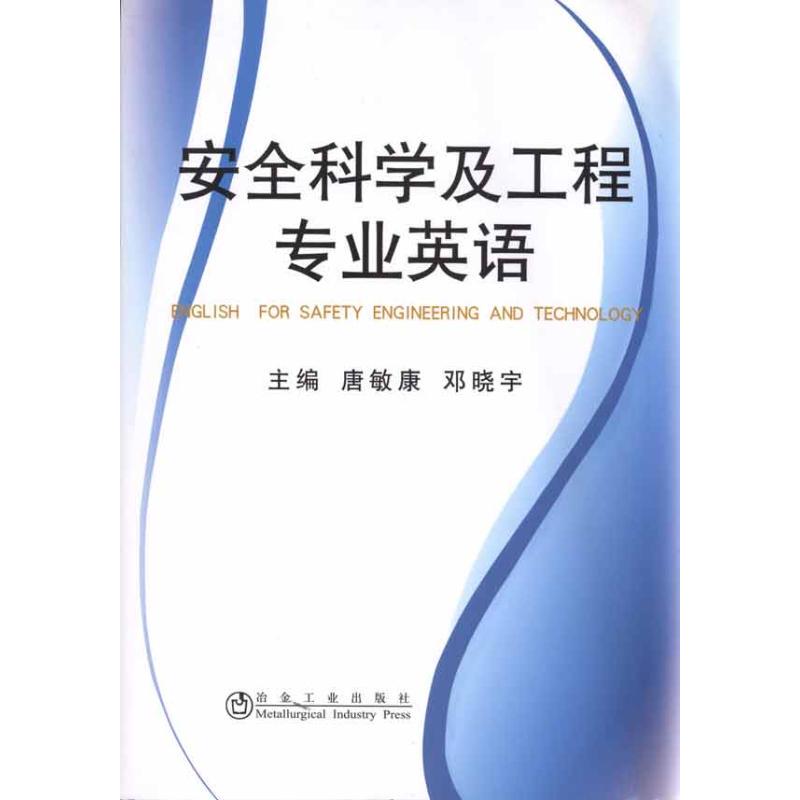
本书依据安全工程专业教学大纲编写,主要以语言应用能力的培养为目标。全书共分10章,包括安全系统工程、人机工程、安全文化、安全法律、安全经济、安全评价及风险管理、矿业安全、建筑安全、消防安全和化工安全等几个方面。
本书内容广泛,几乎囊括了安全科学技术学科的各个方面。学时安排灵活,可针对不同的教学需要选用。本书可作为高等院校安全工程、防灾减灾工程、环境工程和工程管理等专业的专科、本科、研究生等的教学用书,也可供企事业安全技术及管理人员选用。

智能交通系统能通过畅通无阻的交通帮助减少旅行的不确定性(并且减少旅行时间的偏差)。同时,智能交通系统也提供允许旅客更好计划旅行并且允许托运人和载体更好计划发货的被改进的实时和有预测性的信息。增加安全性在过去几年内,与运输相关的特别关注日益增长。这种关注主要围绕运输系统的安全(车辆和基础设施)和在运送中货物和人的安全。智能交通系统通过使用GPS(或其他定位技术)、有线和无线通信以及改善的传感器和信息系统来提供技术以表达这些关注。智能交通系统能监控容器的内容和位置,监测货物和卡车的行进路线,追踪公共交通工具的方位和状态。
提高操作员的效率
智能交通系统有许多方式改进运输系统的操作效率。其中一种*成功和*普遍应用的智能交通系统是电子不停车......









评论晒单